
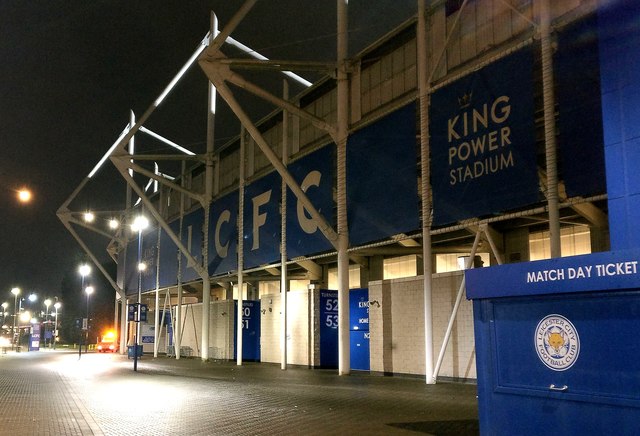
Ten years ago, in 2016, no one ever believed that Leicester City FC would win the Premier League, defying all odds. Now, if we go back to that time and tell their fans that their team would be relegated not only from the Premier League but also from the EFL Championship, they would not believe us—in fact, they might even beat you up. Yesterday was the worst possible day for Leicester City fans. They lost a crucial game against Hull City AFC, which confirmed their relegation to EFL League One.
This downfall was not so surprising for football fans following Leicester City. The decline of their club and the transfer of big stars following their title-winning season was the first step of the Foxes’ decline.

Post-Title Recruitment Failure
Starting from the golden era of Leicester, where Claudio Ranieri made them champions, the Foxes failed to replace or support the squad properly. They shifted their strategy from smart signings to high spending. N’Golo Kanté left early, weakening the spine of the Foxes. Signings like Slimani and Musa underperformed. This created an inconsistent chain of signings, one after another.
Over-Reliance on a Golden Core
If we look at the Foxes, they were highly dependent on players like N’Golo Kanté, Riyad Mahrez, Jamie Vardy, and Kasper Schmeichel. After the departure of Kanté and Mahrez, the club still relied on Vardy and Schmeichel. The replacements for Mahrez and Kanté were not even close to their level despite spending a huge amount of money. In the case of Vardy and Schmeichel, as they aged, the club failed to replace them, causing serious issues. Now, when Vardy departed from Leicester, things got even worse, and the relegation to League One became evident.
Financial Constraints & Ownership Strategy
The Foxes did not initially have financial constraints, as a major sponsor like King Power International Group remained stable. However, COVID hit globally, limiting all kinds of sports activities and affecting player salaries. As a result, the club faced a major financial setback. In terms of strategy, the club failed to make aggressive reinvestments compared to rivals, and its reluctance to overspend made the squad less competitive.
Missed Transition After Brendan Rodgers Peak
Somewhere, the club seemed to get back on track in 2021 under Brendan Rodgers. They narrowly missed a top-four finish and won the FA Cup. However, this was the beginning of the Foxes’ freefall as they failed to make a proper transition. Tactical and defensive issues increased. During this period, they failed in managerial transition, and when Rodgers left in 2023, the Foxes were already in the relegation zone with consecutive defeats.

Defensive Collapse (Relegation Season)
During the 2022–23 season, Schmeichel departed from Leicester City. This marked the beginning of the Foxes’ defensive problems, which became fully exposed afterward. They did not have any player who could play a significant leadership role in defense. They became one of the worst defensive sides in the Premier League and were highly vulnerable to set pieces. This defensive collapse was a major factor in their relegation battle.
Poor Squad Depth & Injury Management
Leicester City were already facing multiple issues, and then an injury crisis hit them hard. They had to overuse their key players, which directly affected performances. While they did have replacement players, they were not good enough to compete at the Premier League level. This poor squad depth and injury management became a major breaking point.

Championship Instability
Leicester City were relegated to the Championship, but that wasn’t the only problem. Financial Fair Play (FFP) restrictions limit their transfers, creating an imbalance between youth and experience in the squad. At the same time, the pressure to return to the Premier League made the Foxes more vulnerable in the Championship.
Psychological & Cultural Drop
Finally, the psychological and cultural drop played a vital role in Leicester City’s fall. The absence of strong leadership was visible, and no prominent figure emerged in the dressing room. The loss of identity—counter-attacking and disciplined play—became clear. The shift from champions to relegation candidates affected the team’s mentality.
The fall of Leicester City was not just due to one bad season. It was the result of poor strategy, limited transfers, failed signings, and over-reliance on club legends. However, they can still return if they change their strategies—otherwise, the decline may continue.