
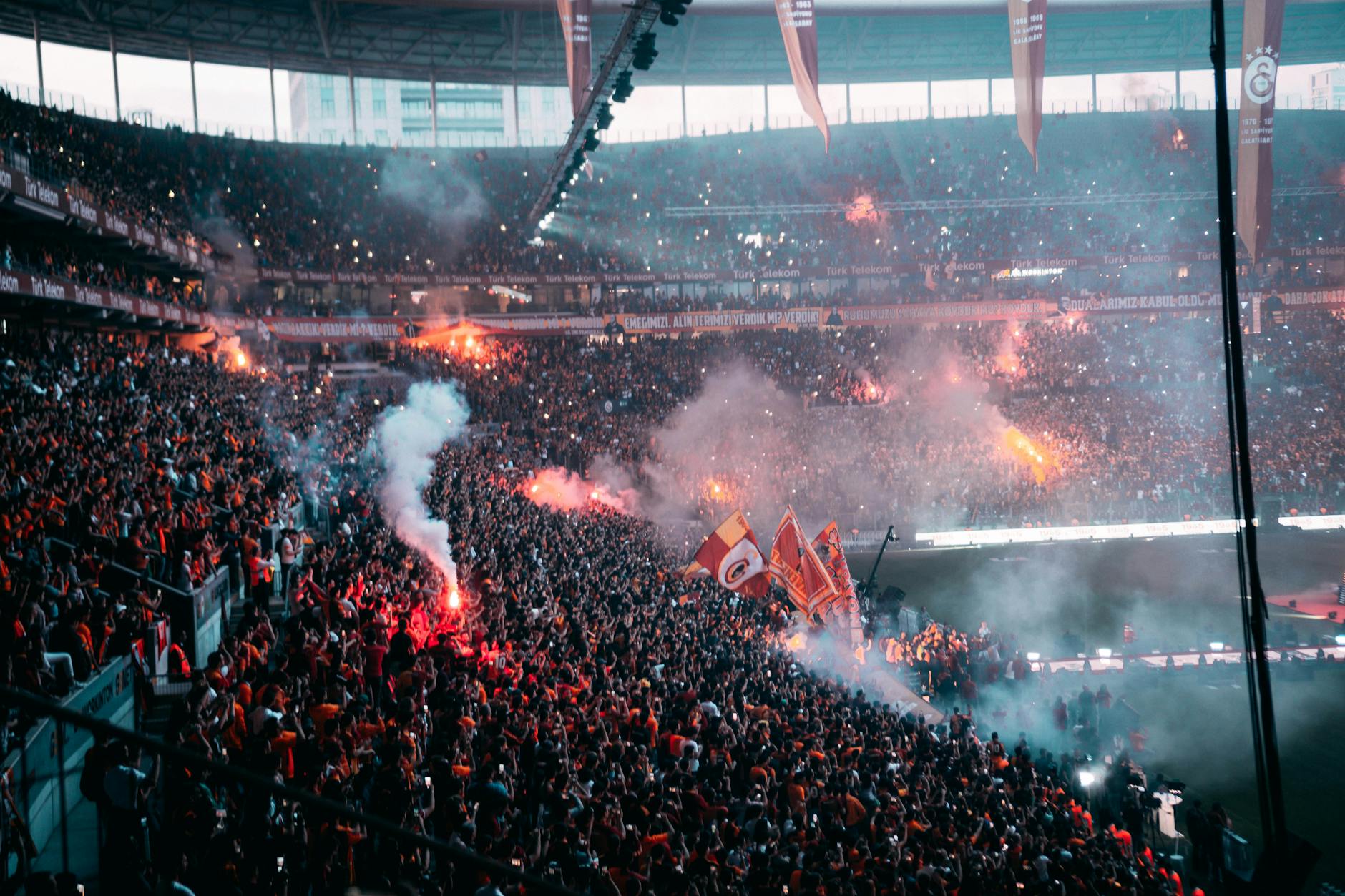
A series of polls have been quietly circulating on social media lately. This question, clearly gauging the pulse of the supporters, is framed around the potential relocation of Fenerbahçe’s fortress, the Şükrü Saracoğlu Stadium. Yet, in Istanbul, the image of “Kadıköy” is inseparable from Fenerbahçe. The “Yellow Canaries” have played on the very ground where the stadium stands today formerly known as Papazın Çayırı—since 1908. We are talking about 118 years of urban memory and a legacy forged on that very patch of earth.

Naturally, the fans’ reaction to these “pulse checks” is fierce. However, the bitter reality is that although supporters are the most “senior stakeholders” and the primary source of revenue, they hold no sway in management processes or such vital decisions. Governing bodies like UEFA and FIFA, along with local administrative structures and clubs, redesign football and fandom according to their own material interests, often viewing consultation with fans as an unnecessary formality.

Recent precedents in Turkey such as Galatasaray’s move to Seyrantepe or the Olympic Stadium remaining an isolated “wind tunnel” in a remote corner of the city suggest that these relocation claims (despite the club’s firm denials) could be brought to the table at any moment by a neoliberal appetite. The exile of West Ham United from the Boleyn Ground to the London Stadium serves as an early warning for all traditional clubs today. This process, which Ian Taylor (1971) described as the “bourgeoisification of sport,” aims to displace not just the stadium, but also the fan’s identity, trapping it within a “customer” profile defined solely by purchasing power.

West Ham’s detachment from its traditional working-class roots through the move to the London Stadium triggered a process of alienation, widening the gap between the fans and the club both physically and emotionally. Similarly, Tottenham’s new home is now defined less as a traditional football ground and more as a massive “event centre” that happens to host football, marketed heavily through mass media.
Security or Gentrification?
This “modernisation” wave stretching from England to Turkey began with promises of making stadiums safer, yet it has evolved into a domestication operation ranging from pyrotechnic bans to “no-standing” policies. The way cities now “vomit” stadiums out like foreign objects reflects the final stage of football’s transition from a public right to a sterile consumption object. Having already lost their essence as public spaces through exorbitant ticket prices, digital identity-based memberships, and practices that treat fans purely as “consumers,” stadiums are reducing belonging to a mere matter of commerce.

The Gendered Economy-Politics of Stadium Migration
Women pay the heaviest price for this spatial shift. Research shows that 7 out of 10 women in Turkey do not feel safe on the streets after 21:00. Grounds that were once in the heart of Mecidiyeköy or Taksim, woven into the natural flow of life, have been transformed into “sterile bubbles” isolated from the city and surrounded by dark arterial roads. Furthermore, because kick-off times are arranged based on broadcast revenues, the culture of daytime matches has been virtually annihilated for Süper Lig clubs.
While a city-centre stadium is a secure part of neighborhood culture for female supporters, projects like Seyrantepe or Akyazı create “zones of insecurity” that force fans to wait for transport under desolate viaducts after a match. If you do not have a private vehicle or cannot access the “gentrified” luxury amenities surrounding the stadium, you are essentially outside the game. Ultimately, football is not just getting “richer”; it is becoming an inaccessible, dark motorway-side dystopia for women.